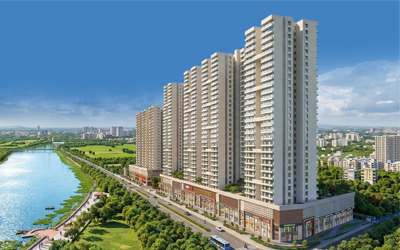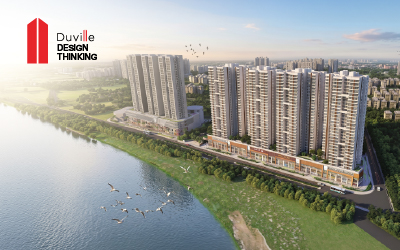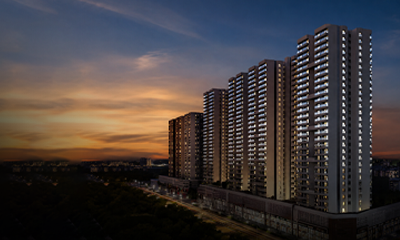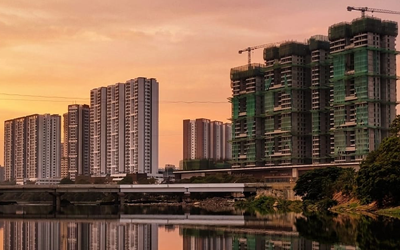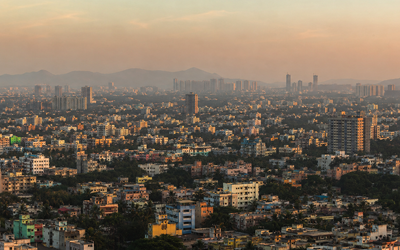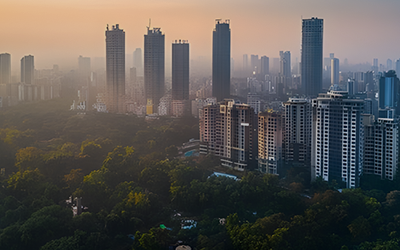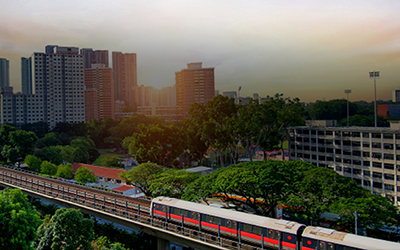
Not too long ago, Mundhwa existed largely on the periphery of Pune’s premium residential conversation. Sandwiched between established neighbourhoods like Koregaon Park, Kalyani Nagar, and Kharadi, it was often viewed as a connector rather than a destination in itself. That perception is changing rapidly.
Over the past few years, Mundhwa has steadily transformed into one of East Pune’s most promising residential micro-markets, driven by the growing demand for lifestyle-led living.
Today’s urban homebuyer is making decisions differently. The search for a home no longer revolves solely around carpet area, price, or commute time. Increasingly, people are evaluating neighbourhoods through the lens of experience. They are asking more nuanced questions: What does life here feel like after work? Where do I meet friends? Where can I unwind on a Sunday? What kind of social culture does this locality offer?
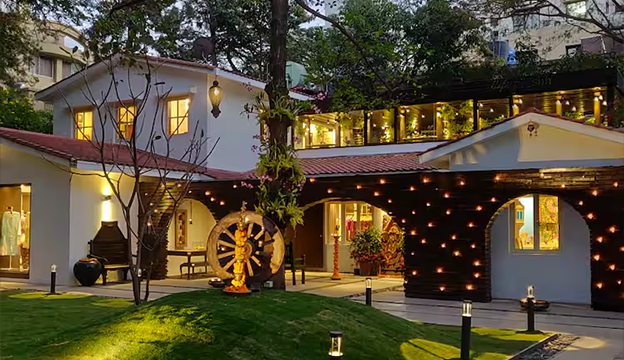
Its strategic location places residents within minutes of some of Pune’s most refined culinary and social destinations, creating an ecosystem where work, leisure, wellness, and community coexist. The rise of premium hospitality and dining around the locality is not incidental—it is a marker of a neighbourhood undergoing cultural and economic transformation.
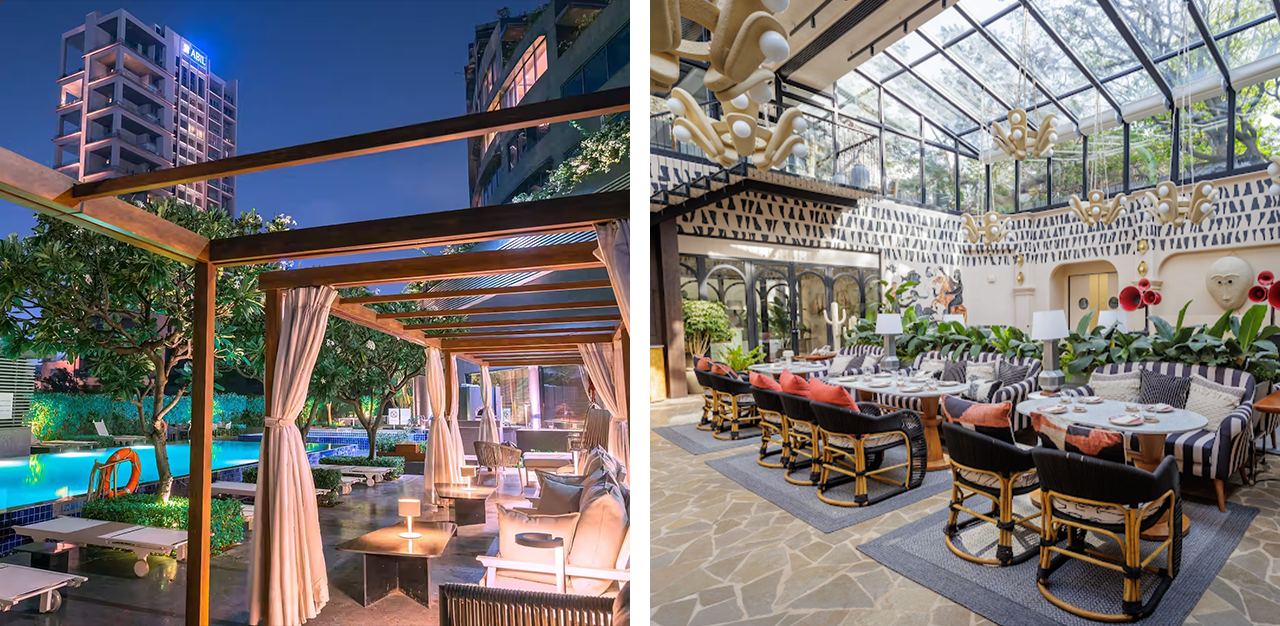
Take The Market at The Westin, for instance. More than just a dining venue, it represents the kind of elevated urban indulgence increasingly associated with East Pune curated culinary experiences, sophisticated ambience, and hospitality designed around discerning tastes.
A similar sense of aspiration is visible at One8 Commune, the celebrity-backed dining concept by Virat Kohli. Its arrival reflects a broader shift in Pune’s social landscape, where premium experiential dining is becoming central to how younger professionals and affluent families socialize.
Then there is Malaka Spice, a long-standing institution in Koregaon Park. Its enduring popularity lies in its ability to offer something increasingly valued in urban life authenticity. In a city rapidly modernising, places with cultural depth and character continue to hold immense appeal.
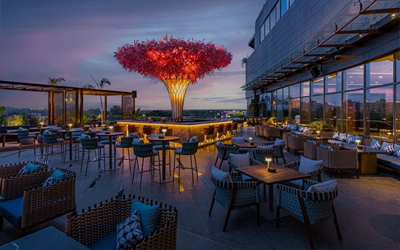
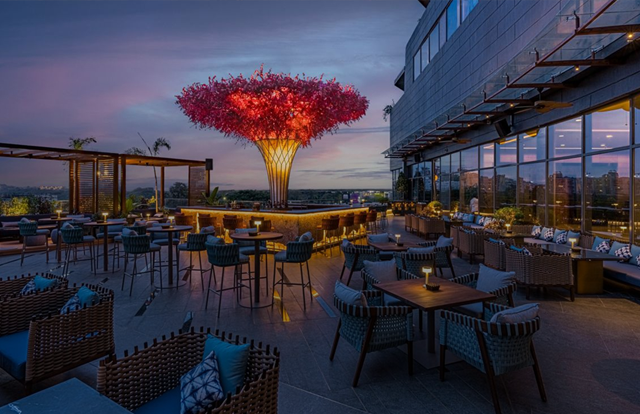
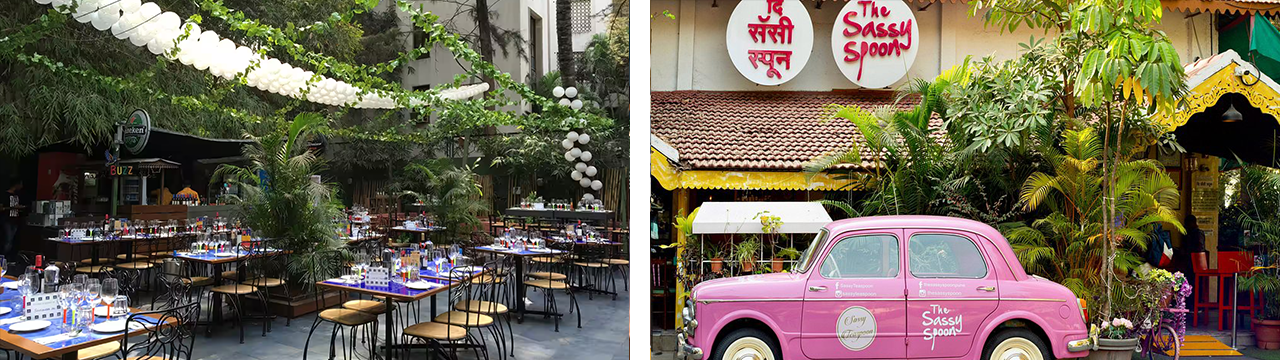
For stylish brunches and curated evening gatherings, The Sassy Spoon and Boteco Tapas Bar & Grill have emerged as preferred social spaces, blending design-forward interiors with a strong sense of occasion. Meanwhile, Asilo at The Westin, with its sweeping skyline views, represents the growing demand for destination-driven leisure experiences spaces that transform ordinary evenings into memorable social rituals.
For quieter, more intimate experiences, Paash offers a refreshing contrast. Known for its chic café culture and relaxed ambience, it caters to those who appreciate meaningful conversations over artisanal coffee and thoughtfully crafted menus.
Collectively, these destinations signal something larger than a thriving food scene. They reflect the emergence of a new urban pattern one where residential growth is increasingly shaped by lifestyle infrastructure. Mundhwa’s rise illustrates this shift clearly. What was once seen as an emerging suburb is now steadily becoming a lifestyle-led residential hub, attracting professionals, entrepreneurs, and families seeking a more holistic way of living. Its appeal lies not merely in location, but in access to culture, to convenience, to community, and to experiences that enrich daily life.
In many ways, Mundhwa represents the future of urban residential growth in Pune: connected, aspirational, and deeply lifestyle oriented.